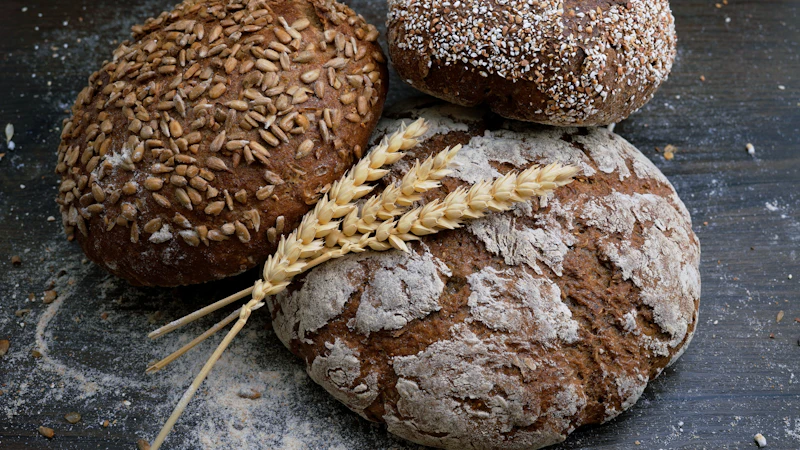
The Bakery Margin Problem
Bakeries face a unique economics challenge: high perishability combined with significant production lead time. You must commit to today's production quantities hours before customers arrive. Over-produce and you write off product at day's end. Under-produce and you sell out of popular items by noon, disappointing customers and leaving money on the table. The margin between profitability and loss is narrow — typically 8–15% net margin for well-run bakeries.
Recipe Costing: The Foundation
Every baked product has a Bill of Materials (BOM) — the recipe expressed in cost terms. For a basic white loaf:
- Flour: 500g × cost per gram
- Water: 350ml (near zero cost)
- Salt: 10g × cost per gram
- Yeast: 7g × cost per gram
- Packaging: 1 bag × cost per unit
- Energy allocation: estimated kWh per batch ÷ units per batch
The total gives you cost of goods sold per unit. With a selling price of $3.50 and a total COGS of $1.05, the gross margin is 70%. From this 70% you must pay labour, occupancy, and overheads.
Building the Production Schedule
Historical POS data is the most reliable input for production planning. Pull last four weeks' item-level sales for each day of the week — Tuesday's sales pattern is different from Saturday's. Calculate the average and standard deviation. Your production target should be average plus one standard deviation — you will cover demand on most days without producing far in excess on slow days.
Adjust the baseline for known factors: school holidays, local events, weather (cold weather typically increases hot pastry sales by 15–20%), and your own promotions.
Batch Production and Lead Time
Most baked goods require production in batches — sourdough needs 12–24 hours of fermentation before baking. Your production schedule must work backwards from the required on-shelf time. If croissants must be ready at 7am and laminated dough requires 8 hours of preparation including rest periods, production starts at 11pm.
Map each product's production timeline explicitly. Overlapping production timelines in a small bakery require careful sequencing to avoid oven bottlenecks and refrigerator space conflicts.
End-of-Day Waste Tracking
Recording unsold quantities at day's end is as important as recording sales. Waste percentage = units unsold ÷ units produced × 100. A target of 3–8% waste is realistic for a well-calibrated bakery — zero waste means you consistently sell out too early; above 10% means you are systematically over-producing. Track waste by SKU, not just in aggregate, to identify which specific products are being over-produced.
Markdowns vs. Waste
Many bakeries offer afternoon discounts on day's produce rather than writing it off. A croissant that costs $0.40 to make and sells for $2.00 generates $1.60 in contribution margin at full price. At 50% markdown ($1.00), it still generates $0.60 in contribution. Compared to $0 for waste, the markdown is significantly better. Track markdown sales separately so you can measure the real cost of over-production.